UFC Cash Out: When to Take the Offer and When to Refuse
 Available in US
The button I’ve watched too many people press too soon
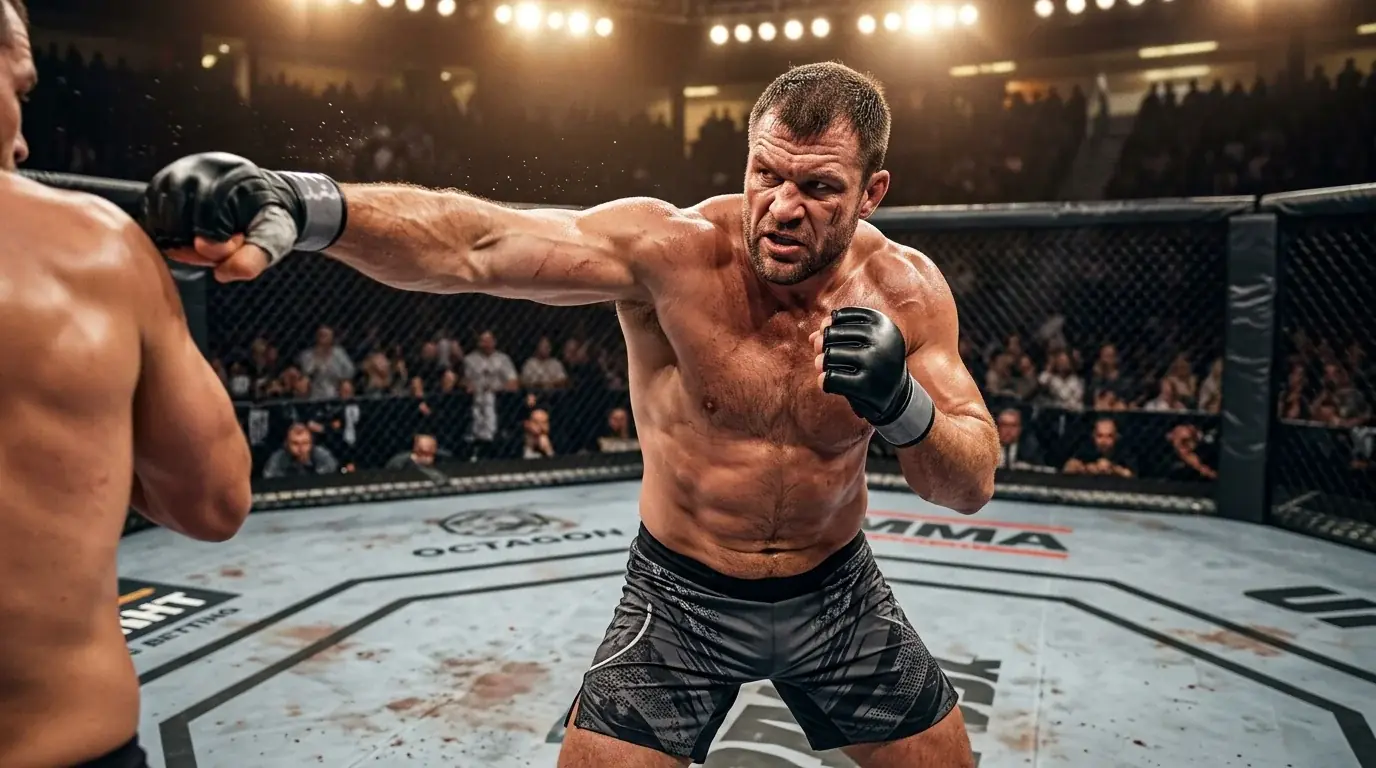
It happens on every UFC main event I cover. A bettor backs a 5/2 underdog before the fight. The underdog drops the favourite in round one, looks dominant. The cash-out offer appears: take £18 now on what was a £10 stake, or wait for the £35 if the underdog finishes the job. Two minutes later they’ve clicked the button, taken the £18, watched the underdog finish in round two and realised they’ve left £17 on the table.
The UFC cash out UK sportsbooks offer is one of the most psychologically intense features in live betting. It looks like generosity. It functions as a price the operator is offering you to close your position early, calculated to leave them with most of the expected value. The decision of when to take it isn’t about the size of the offer. It’s about what you genuinely believe will happen in the next eight minutes of the fight.
See also: how do i bet on ufc fights for cash out and risk management tips.
The formula behind the offer
Cash-out is not a “best price.” It’s a real-time recalculation of what your bet is worth to the sportsbook right now, minus the operator’s working margin. The maths goes like this: the operator estimates the current implied probability of your bet winning based on what’s happened in the fight so far, multiplies that probability by your potential payout, and subtracts a margin that’s usually wider than the original overround on the pre-fight market.
A worked example. You stake £10 on a fighter at 5/2 — implied probability 28.6%, potential payout £35 including stake. The fight starts, your fighter wins round one decisively. The operator now estimates your fighter has, say, a 55% chance of winning the fight overall. The “fair” cash-out value is 55% × £35 = £19.25. The operator’s actual offer is closer to £17.50 — because there’s a 9% cash-out margin baked in. If you take £17.50 you’re locking in a profit of £7.50, but you’re giving up an expected value of £19.25 minus your stake — about £9.25.
That two-pound gap is the price you’re paying for certainty. It’s not nothing. Over hundreds of cash-out decisions across a year, that consistent margin transfers a meaningful slice of your bankroll to the operator. Which means the question is never “is this a generous offer?” The question is always “would I bet this fight from this point in this position at this price?”
The four moments when cash-out is genuinely the right call
I’ve kept a record of every cash-out decision I’ve made for the last six years, with the rationale and the eventual fight outcome. Four scenarios show positive expected value across that sample.
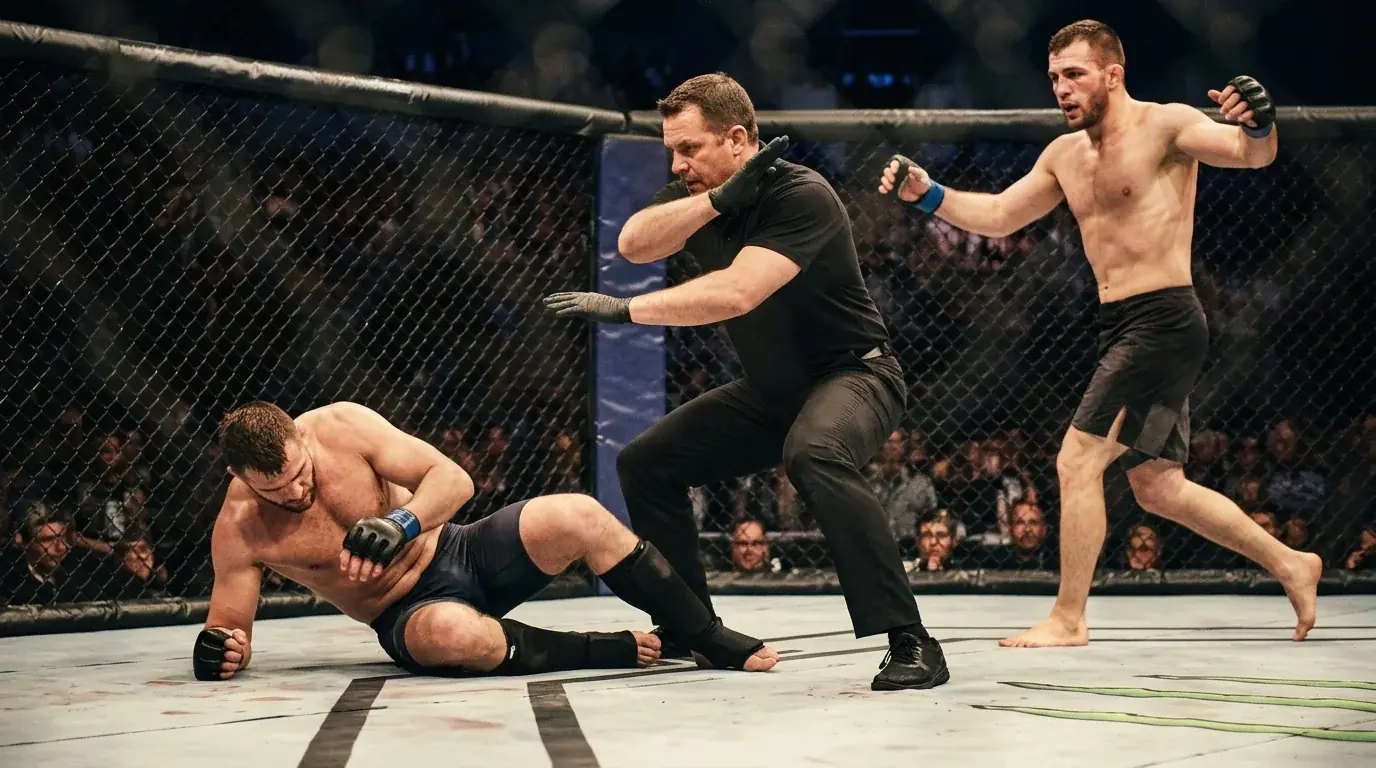
One: late-round injury. Your fighter has won the first two rounds, looks tired, and visibly tweaked an ankle in the last thirty seconds of round two. The cash-out offer factors in the current dominance but doesn’t fully price the injury risk. You know the fighter is hurt. Take it.
Two: dominant first round by an underdog with cardio history. The most disciplined cash-out trigger I have. An underdog who’s been gassed by round three in their last four fights, regardless of how dominant they look right now, is on borrowed time. The operator’s model partly knows this; your knowledge of the specific fighter’s gas tank is usually sharper than the model. Take a chunk off the table.
Three: the card is wobbling. Your bet is contingent on this fight happening; if there’s a credible signal — the broadcast cutting away for an extended period, an unexplained delay in cornermen leaving the cage between rounds — the operator may not yet have priced cancellation risk into the cash-out. Banking part of the stake is rational.
Four: bet builder with one leg already won. If your three-leg bet builder has the moneyline leg already effectively secured by round-three dominance, and the remaining two legs (say, round of finish and method) are still live with meaningful uncertainty, the cash-out can be the right move because you’re locking in a guaranteed positive return on the secured leg while declining the variance on the open ones.
Partial cash-out and automatic triggers
Most UK sportsbooks now offer partial cash-out, which lets you bank a defined slice of the bet’s current value while leaving the rest live. It’s the closest thing to a sensible compromise the feature offers. If the offer is £17.50 on a position you genuinely think is now worth £19.25, you can take £10 of the £17.50 — securing your initial stake plus a small profit — and let the remaining £4.50 of position ride for the full payout.
The auto-cash-out trigger is the operator’s way of letting you pre-set the cash-out at a value you’d accept. You stake your £10 at 5/2, set an auto-cash-out at £20, and walk away. If the offer ever reaches £20 during the fight, the sportsbook closes the position automatically. The advantage is removing the in-the-moment psychological pressure. The disadvantage is that you can’t adjust based on context the model doesn’t see — a fighter limping at the end of round two, for instance.
What I use personally: partial cash-out only, never auto. I want to be in the room making the decision because the in-fight context matters more than the price level. But that’s a personal discipline, not a rule. Auto-cash-out is fine for bettors who know they’ll otherwise click impulsively.
The behavioural side I’d rather not talk about
This is the section that matters most and is the one bettors skip. Cash-out is, structurally, a feature that’s most attractive to people who are losing money — not because they’re using it to manage variance, but because they’re using it to manage anxiety. The “take a small loss to avoid a bigger one” instinct is rational in some contexts and a cognitive trap in others.
The UKGC’s age data is sobering. Among 18–24-year-old British adults, 5.3% sit in the high-risk PGSI 8+ band — the highest concentration of problem gambling in any UK demographic. The same group is statistically most likely to use cash-out impulsively, often within seconds of a bet starting to go wrong. The light-touch financial check threshold sits at £150 net deposit per month since 28 February 2025, and frequent cash-out use is one of the behavioural signals operators are required to monitor.
GambleAware’s chief executive Zoë Osmond put the principle clearly: “No form of gambling is completely without risk. However this new research shows that there are some particular types of gambling which can lead to an increased chance of experiencing gambling harm, which can have a corrosive effect on people’s lives, finances, careers and relationships.” Live in-play features — cash-out included — sit firmly in that category. The speed of the decisions is exactly what makes them risky.
The discipline I keep, and recommend, is to never cash out a losing bet. If your fighter is losing, the bet is a sunk cost. Closing it for a small refund doesn’t make the decision better, it just transfers the loss-aversion stress to a different account line. Cash out wins selectively, on a thesis. Let losses run to their natural conclusion. This is uncomfortable advice. It’s also the right advice.
The other moment to flag: cash-out values can be moved by simultaneous promotional offers. If you’re carrying a bet boost or a price-boosted leg, the cash-out formula treats the boosted price differently from the underlying market — a detail I cover in the piece on promotional levers that change cash out value.
See also: find expert picks worth tracking in our UFC tipster services review.
The cash-out checklist before you click
Three questions to ask, every time, before you take the offer. Would I place this bet, from scratch, at the current implied price the cash-out values me at? If no, taking the cash-out is rational. Is the cash-out offer reflecting information the operator’s model doesn’t yet have — a visible injury, a credible disruption signal? If yes, the offer is probably too generous, take it. Am I about to cash out because I’m panicking, not because I’m thinking? If yes, close the app for ninety seconds. Come back. If the answer is still the same, then act. The minute of distance protects you from the worst decisions cash-out is designed to encourage.
Why is my UFC cash out offer lower than the implied value?
Because the operator builds margin into the cash-out formula. The offer is the current estimated value of your bet minus a working margin, typically wider than the original overround on the pre-fight market. Across many cash-out decisions, that margin transfers expected value from the bettor to the sportsbook.
Can I cash out a UFC bet builder?
Yes, on most UK sportsbooks, provided all legs of the bet builder are still live. If one leg has already been settled — for instance, the moneyline leg is decided and you’re waiting on method of victory — cash-out may be unavailable or may apply only to the remaining open legs at reduced value.
Published by the how do i bet on ufc Fights team.