UFC London Betting Guide: What to Expect at the O2
 Available in US
Table of Contents
- The card that turns a normal Saturday into a UK betting holiday
- The history that built the modern London card
- What the betting handle pattern actually does to the lines
- Card-position effects on the London slate
- The local card markets that exist only at UFC London
- A worked example from a typical London Fight Night
- The London-specific discipline that pays off
- What to put in the calendar for the next London card
The card that turns a normal Saturday into a UK betting holiday
You can tell when a UFC London card is on the schedule by the lines at the bookies on Bond Street the Saturday before. The UK betting public engages with UFC at a different intensity when the event is on home soil — handle on the British fighters spikes, the early prelims that would normally pass without comment fill up with action, and the recreational money flows in patterns that don’t show up on any other card on the calendar. For the careful bettor, that recreational money flow is the whole game.
I’ve bet every UFC London card since the format settled into its modern shape, and the pattern is consistent: the markets are noisier than other Fight Nights, the British fighters are systematically overbacked by recreational money, and the value sits in the corners of the card where the patriotic flood hasn’t reached. London is the most distinctively UK-shaped market on the UFC calendar, and treating it as just another Fight Night leaves money on the table.
See also: how do i bet on ufc fights for event-specific UK betting tips.
The history that built the modern London card
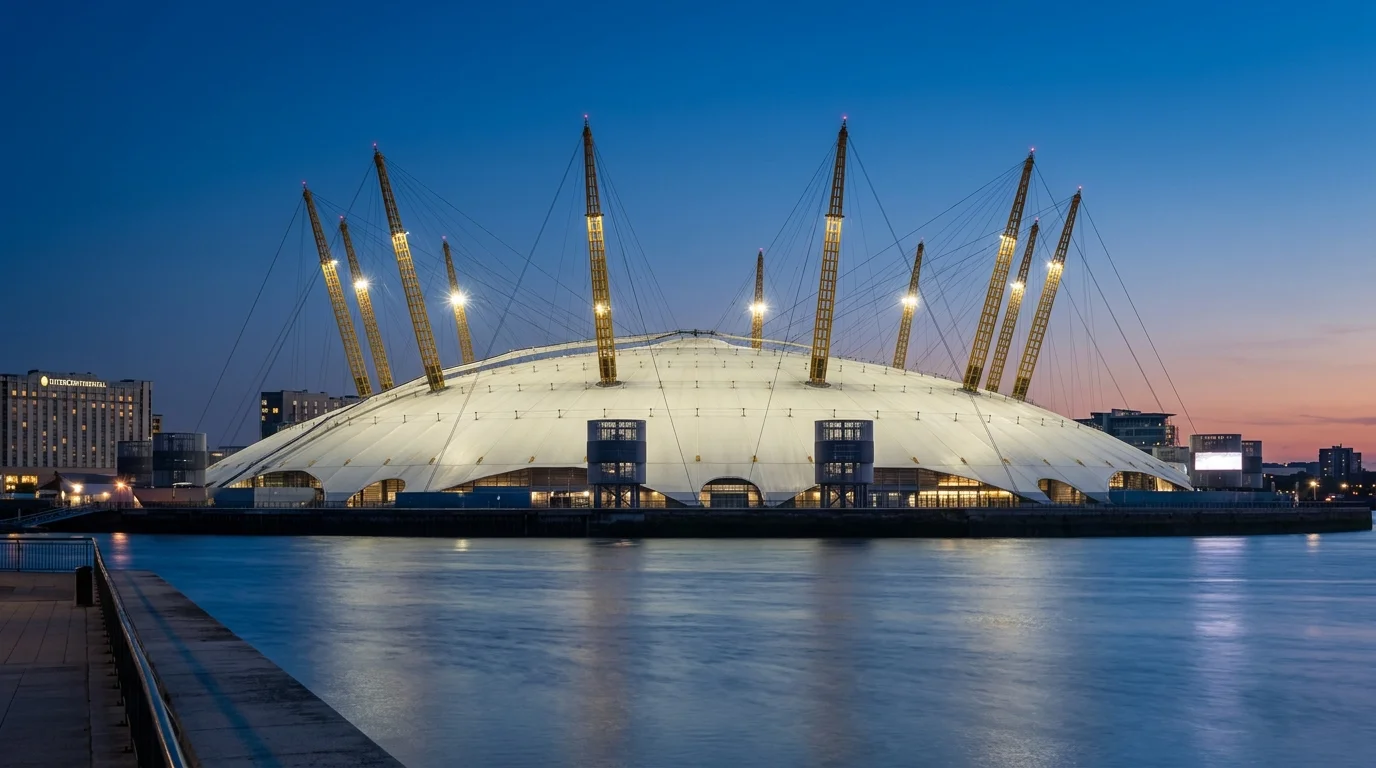
UFC London has been a fixture on the British calendar for over two decades. The 22 March 2025 card at the O2 was the 30th UK-hosted UFC event, and that same event became the highest-grossing Fight Night in UFC history — a piece of context that matters because it tells you how heavily the betting markets weight London cards relative to other Fight Nights. The handle at UFC London regularly exceeds the handle on numbered events held elsewhere on the calendar, despite the Fight Night designation.
UFC 304 in Manchester in July 2024 was the most recent numbered event held in the UK, drawing 17,907 attendees and generating a $6.72M gate. That single data point tells you something about the structure of UK demand: a UK-hosted PPV will sell out the arena and generate a substantial gate, but the UFC has been more strategic about deploying numbered events to the UK than it has been about Fight Nights. The Fight Night London card runs annually, sometimes twice annually. The UK PPV is a rarer event by design.
Dana White’s framing of London as a UFC market has been consistent for years. London is one of the premier fight cities in the world.
The commercial behaviour matches the rhetoric — UK is the third-largest national market in UFC.com traffic share at 6.84%, behind only the US (31.95%) and Canada (7.53%). The implication is that the UFC has structural reasons to keep London cards regular: it’s a market that returns disproportionately on attention, and the British fighter pipeline is strong enough to provide compelling cards.
What the betting handle pattern actually does to the lines
The most predictable behaviour of UK recreational money on UFC London cards is to back the British fighter regardless of price, particularly on the main card. A British favourite at 4/9 (69.2% implied) will see line drift toward 1/3 (75% implied) by fight night through pure backing pressure, even when no new information has emerged. A British underdog at 7/4 (36.4% implied) will see the line shorten to 5/4 (44.4% implied) or shorter by the bell, again driven by recreational backing rather than information flow.
This creates two structural opportunities. First, the non-British side of British-versus-international bouts gets systematically overpriced (which means the international fighter offers value at the artificially extended price). Second, the British fighter who’s getting backed past their true probability becomes a poor moneyline bet but might still be a useful method-of-victory or round-betting bet at fairer prices in those secondary markets.
The line shopping discipline matters more on London cards than on other Fight Nights, because the patriotic backing pattern hits different operators at different rates. Operators with the largest UK recreational customer bases see the biggest line drift on British fighters. Operators with more sharp-leaning customer bases see less drift. Comparing across three or four UK books gives you the spread, and the most extreme drift is almost always a value-shorting opportunity on the side that’s been hammered.
Card-position effects on the London slate
Main events at UFC London are usually the headline British fighter against a top-ten international contender. These bouts get the most recreational attention and the most line distortion. The structural pattern: British favourites are overpriced as favourites (back the international underdog if your read says the fight is close), British underdogs are overpriced as underdogs in line shortening (the line moves toward the British fighter overnight, so the international fighter at the opening price is actually the value bet).
Co-main events follow the same pattern at smaller scale. The British fighter gets backed, the line moves a little, and the international side picks up structural value. The smaller market depth on Fight Night co-mains compared to PPV co-mains means the line moves further per pound of recreational money, so the effect is amplified relative to non-UK Fight Nights.
Prelims and early prelims are where the most interesting value sits. London cards always feature multiple British fighters in undercard bouts — some on debut, some on regional comeback fights — and the recreational money tends to back the British debutants particularly heavily, regardless of opposition quality. A British debutant at 5/4 against an experienced Brazilian veteran is often a textbook trap-line: the price moves to 4/6 by fight night, and the long sample says the experienced veteran wins 60+% of these bouts.
The bouts that don’t feature a British fighter on either side of the cage on London cards are pricing-wise the cleanest of any UK-hosted event. With no patriotic backing pressure on either side, the lines reflect the bookmaker’s actual probability read, and the standard handicapping framework applies cleanly.
The local card markets that exist only at UFC London
Some UK operators run London-specific markets during fight week — first British fighter to win on the card, total British fighters to win, British fighter to score a knockout — that don’t exist on any other event. These markets are typically thin, with overrounds running 115 to 125%, and they’re priced around the operator’s expected recreational interest rather than around tight probabilistic analysis.
The thin-market reality cuts both ways. Sometimes the prices are loose enough that careful analysis finds a clear value play — a “first British win on the card” market that’s priced at 7/2 for a specific fighter when the maths suggests 9/4 represents the fair probability. Other times the markets are noise-priced in both directions and the disciplined bet is to avoid them entirely.
The bet-builder and same-game multi markets on London cards typically include British-fighter-themed selections that recreational money piles into. The maths on these multis is brutal — six or seven legs of British fighters at compounded probabilities often produce slip-up rates of 70%+ across the whole card. The slips look enticing on Saturday afternoon and pay out at a rate that compares unfavourably to almost any other betting approach on the same card.
A worked example from a typical London Fight Night
Hypothetical card. Main event: British favourite at 4/9, international underdog at 7/4. Co-main: international favourite at 1/2, British underdog at 6/4. Three undercards featuring a British fighter, all priced as favourites against international opposition. Two undercards with no British involvement.
The framework applied: main event, the British favourite line will likely drift to 1/3 by fight night due to recreational backing. International underdog at 7/4 (36.4% implied) is the value side if your honest read of the fight gives the international fighter a 38 to 42% chance. Bet placed at the opening line, before the drift, locks in the better price.
Co-main: international favourite at 1/2 against British underdog at 6/4. The recreational backing pattern moves the British underdog price from 6/4 to 5/4 (44.4% implied) by fight night. Bet on the British fighter at the opening 6/4 is the disciplined play if the fundamentals support it — you’re getting a better price than the closing line will reflect.
The three British-favourite undercards: the line on each will shorten by fight night. Avoid all three as moneyline bets at the opening price, since you can’t beat the closing line. Consider the international opponents at their opening prices if the matchup justifies the long shot, but only on undercards where method-of-victory markets exist and the value compounds.
The two non-British undercards: standard handicapping framework applies. No patriotic distortion, prices are clean, place bets based on fundamentals alone. These tend to produce the most consistent positive-CLV bets on the card precisely because the noise from the rest of the slate doesn’t touch them.
The London-specific discipline that pays off
Two habits that have separated good London cards from bad ones for me over the years. First: place bets early in fight week, before the patriotic flood. The line you see on Wednesday morning is usually closer to true probability than the line you see on Saturday afternoon, and the bets you’d want to make are the ones at the Wednesday prices. Second: avoid same-game multis built around British fighters. The recreational flow has made these the worst-value bet type on any UK card, and the slips that look enticing on Saturday afternoon settle as losses on Sunday morning more often than not.
The broader framework around Fight Night specifically — beyond just the London case — sits in the wider piece I’ve written on Fight Night format details. London is the most distinctive UK-shaped variation of the Fight Night format, but the underlying market-depth and recreational-money patterns apply across the whole Fight Night calendar.
See also: try a full-card approach with our UFC pick’em and multi-fight bets guide.
What to put in the calendar for the next London card
The annual rhythm has produced enough data to make planning straightforward. Watch the card announcement six to eight weeks out. Build the analysis as you would any Fight Night, with extra weight on the British fighters’ recent form and opposition quality. Pre-position bets on opening lines for the British underdogs you think are live and for the international fighters facing overbacked British favourites. Avoid the patriotic same-game multis. Set aside small stakes for the London-specific markets only when the numbers genuinely line up.
The London card is one of the most fun events on the calendar to actually attend, watch, and bet on. It’s also one of the most market-distorted, and the bettors who treat it as a special case rather than just another Fight Night come out ahead more years than not.
Are there special UFC London betting markets in the UK?
Yes, some UK operators run London-specific markets during fight week — first British fighter to win on the card, total British wins on the night, British fighter to score a knockout. These markets typically run wider overrounds (115 to 125%) than standard markets and are priced around expected recreational interest rather than tight probability analysis.
When is the next UFC London event?
UFC London runs at the O2 Arena on an approximately annual schedule, with the most recent edition on 22 March 2025 becoming the 30th UK-hosted UFC event and the highest-grossing Fight Night in UFC history. The next confirmed dates are announced on the official UFC schedule typically six to ten weeks before the event.
Prepared by the how do i bet on ufc Fights editorial staff.