UFC Tale of the Tape: Reading Pre-Fight Stats Before You Bet
 Available in US
Table of Contents
- The pre-fight graphic everyone reads and almost no one reads correctly
- The core fields that actually move the needle
- The advanced fields the graphic doesn’t show you
- Where the numbers will mislead you
- From numbers to a betting thesis
- Reading the tape, not just the table
- What I’d put on every pre-fight checklist
The pre-fight graphic everyone reads and almost no one reads correctly
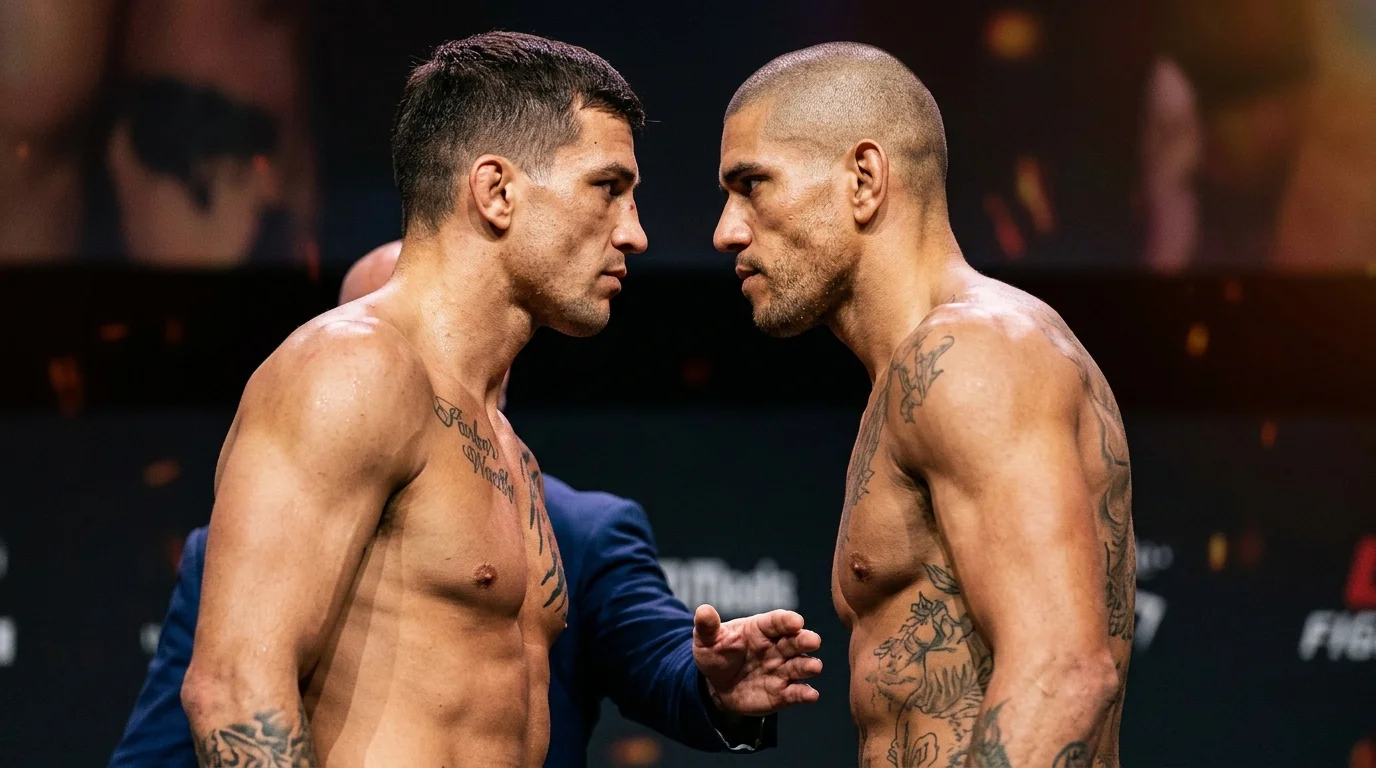
The tale of the tape is the most-watched and least-understood piece of UFC pre-fight content. You’ve seen it a thousand times: the side-by-side panel five minutes before the walk-outs, showing height, reach, stance, age, record, and a handful of strikes-per-minute numbers. Most punters glance at it, notice that one fighter is two inches taller, and adjust their bet by exactly nothing. That’s a missed opportunity, and not because two inches of height is decisive — it isn’t, on its own — but because the panel contains genuine handicapping signal if you know which numbers to trust and which to discount.
I’ve watched the tape on roughly two thousand UFC bouts over the last decade. The pre-fight stats panel, used correctly, gets me to a meaningful read in about 90 seconds — enough to decide whether to dig deeper into the fight or move on to the next bout on the card. Used incorrectly, it’s a confirmation-bias machine that just tells you what you already thought.
See also: how do i bet on ufc fights for stat-based fight previews.
The core fields that actually move the needle
Height and reach are first because they’re misunderstood most often. Two inches of height in UFC is essentially noise — it doesn’t predict anything reliable on its own. Two inches of reach, on the other hand, becomes meaningful when stylistic patterns align: a rangy striker with a 4-inch reach advantage against a brawler who’s struggled to close distance in past fights is in a structurally favourable spot. The reach number on its own tells you nothing. The reach number plus the stylistic match-up tells you something.
Age is the field that’s quietly more predictive than most punters realise. The decline curve in UFC is real and it’s steep — fighters in their late 30s drop measurably in striking output and grappling defence regardless of how recent their last win looked. A 34-year-old former champion stepping in against a 26-year-old contender at 4/6 is a flag worth checking. Not “back the dog automatically” — but “check the recent recovery times between fights, the weight cut history, and whether the older fighter has shown decline signals in the last three bouts.”
Stance is the most ignored field that genuinely matters. Orthodox versus southpaw match-ups produce demonstrably different fight patterns than orthodox versus orthodox. The southpaw who’s spent a full camp drilling the orthodox match-up gets the geometry advantage on lead foot positioning, jab angles, and rear-power-side openings. Southpaw versus southpaw is a separate puzzle again, often a low-output match-up because both fighters are working in unfamiliar geometry. The records of pure southpaws against orthodox opponents are a useful data point when you can pull them.
Record is the field that’s misleading most often. “23-3” sounds impressive until you look at who the three losses are against and who the twenty-three wins came over. A fighter with three losses to top-five opponents and twenty-three wins over regional-level competition is in a different category from a fighter with three losses across a long top-ten career. Treat the record as a starting point for context, never as a standalone signal.
The advanced fields the graphic doesn’t show you
Significant strikes landed per minute (SLpM) and strikes absorbed per minute (SApM) are the two stats you need to look up before any bet on a striker-heavy match-up. The ratio matters more than either number alone. A fighter who lands 5.5 strikes per minute and absorbs 3.5 is a high-output striker in close exchanges. A fighter who lands 4.2 and absorbs 2.1 is a more efficient one, often controlling distance better. The first profile beats the second roughly 60% of the time in straight-up striking contests at three rounds. Across five-round championship distance, the efficient profile catches up.
Takedown defence is the field that quietly separates competitive UFC fighters from elite ones. A fighter with 85%+ takedown defence across 100+ attempts is structurally hard to beat by a wrestler. A fighter with 65% defence is exploitable. The drop-off matters most against well-credentialed wrestlers — a striker with elite takedown defence against a wrestler with 50% takedown success can fight off the back foot for fifteen minutes and win clean. The same striker with mediocre defence loses by control time, regardless of how good the boxing is.
The heavyweight division provides the cleanest illustration of why these advanced fields matter — heavyweights finish roughly 67% of their fights and go to decision only 28.6% of the time, the lowest decision rate of any division. The reason isn’t that heavyweights are bad athletes. It’s that the strike absorption rate matters disproportionately at the highest weight — every clean shot lands harder, takedown defence comes off the back of less cardio, and the ratio between SLpM and SApM becomes existential rather than statistical. A heavyweight with a 1.5x ratio (5.0 / 3.3) is essentially uncatchable in distance fights. A heavyweight with a 1.05 ratio is a coin flip every round.
Where the numbers will mislead you
The first trap is small samples. A fighter with 47 SLpM across three UFC fights doesn’t have a real average — they have noise. UFC stats stabilise at around 5 to 7 fights minimum. Below that, you’re reading what happened against specific opponents, not what the fighter actually does on average. Fighters who debut with one big striking performance often have inflated numbers for their first three or four UFC fights, then regress to mean as opponents adjust to them.
The second trap is style-blind reading. Two fighters can have identical SLpM and SApM numbers and present completely different match-ups — one might be a counter-striker who lets the opponent come to him, the other might be a pressure fighter who walks down opponents and absorbs accumulated damage. The numbers say “same output.” The actual fights look nothing alike, and the betting implications are opposite.
The third trap is the fight that took place under unusual conditions and never normalised in the stats. A title fight where one fighter blew the weight cut by twelve pounds and gassed in round two produces stats that don’t represent normal performance. A fight on short notice where the replacement was a poor stylistic match-up does the same. UFC stats databases don’t flag these — you have to know the context, which means watching the tape rather than just reading the numbers.
The fourth and biggest trap is using the tale of the tape as confirmation of a bet you’ve already decided to make. If you walked into the screen thinking “I’m backing fighter A,” every number that supports A will jump out and every number that argues against will get explained away. The fix: write down what you’d bet before you look at the tale, then look, then check whether the data actually agreed with your read.
From numbers to a betting thesis
The framework I’ve used for years on every UFC bet I’m seriously considering. Start with the moneyline implied probabilities for both fighters. The headline data point — across the long sample, –400 to –900 odds win 88 to 93% and –122 to +100 odds win 51% — gives you the calibration band you’re in. Then ask: does the tale of the tape match the band? If the favourite is at 1/3 (75% implied) and the tale shows a 4-inch reach advantage, dominant takedown defence, and a clean SLpM/SApM ratio against a similar profile, the price band fits the data. Move on to context.
If the favourite is at 1/3 but the tale shows the older fighter, declining strike accuracy in the last two bouts, and a stylistic match-up that doesn’t favour them, the price doesn’t match the data. That’s the spot where you check the underdog at 9/4 — 30.8% implied — against your honest read of how often this fighter beats this opponent. If your number is 38 to 42%, you’ve found a live dog.
The transition from data to bet thesis should produce a one-sentence answer that mentions a specific stat: “Backing the underdog because the favourite’s 62% takedown defence is exploitable against this wrestler at four-and-a-quarter to one.” Or: “Passing on the fight because the tale shows two fighters with identical reach and stance, no clear edge, and the market has priced it as a coin flip — no value either side.” Either is fine. “Backing fighter A because they’ve won three in a row” isn’t a thesis. It’s pattern matching.
Reading the tape, not just the table
The tale of the tape is necessary but not sufficient. The stats give you the skeleton of the analysis. The fight tape gives you the muscle. Three fights of recent footage tells you what the numbers can’t — how the fighter responds to pressure, whether they shell up when hurt or fire back, whether their cardio holds at five rounds, whether the takedown defence holds against good level changes or just against telegraphed shots.
The bettors I respect most don’t choose between watching tape and reading stats. They use the stats to flag fights worth watching tape on, then the tape to validate or reject the betting thesis. Skip the stats entirely and you’re betting on vibes. Skip the tape entirely and you’re betting on averages — which, in a sport where individual match-ups matter more than averages, is its own form of guessing.
The next layer, once you have the tale of the tape under control, is turning reach gap into a bet thesis using the specific framework that converts physical attributes into actionable handicapping. The tape and the table are the inputs. The bet is what you do with them.
See also: lock in profits mid-fight with our UFC cash out timing guide.
What I’d put on every pre-fight checklist
Before any UFC bet, walk through six items. Age gap and which side it favours. Reach gap and whether the stylistic match-up amplifies or neutralises it. Stance match-up. Significant strikes ratio for both fighters. Takedown defence and offence numbers for the relevant grappling threat. One context fact about the recent fight history — a weight miss, a long layoff, a coaching change, a divisional move. Six items, 90 seconds. If the six items agree with the market price, no bet. If they disagree by 3 percentage points or more on implied probability, you have a candidate. Place accordingly.
Where do I find official UFC fighter stats?
The UFC’s own stats portal publishes career fight metrics including significant strikes landed and absorbed per minute, takedown defence, and submission attempts. Most major UK sportsbooks display abbreviated tales of the tape in their pre-fight previews, but the official portal is the cleanest source for advanced fields like strike accuracy and grappling defence.
Are tale-of-the-tape numbers reliable for betting decisions?
Reliable only after a fighter has 5 to 7 UFC bouts in the database. Below that sample, the numbers reflect specific opponents rather than the fighter’s true average. Career UFC stats are most useful when combined with recent tape watching — the numbers flag fights worth analysing, the tape confirms or rejects the thesis.
Prepared by the how do i bet on ufc Fights editorial staff.